A fan-led movement

AFC Wimbledon 2032

AFCW2032 is a movement of AFC Wimbledon fans supporting the Dons Trust board to find long-term, sustainable funding for the club, for 2032 and beyond. COYD!

Football is broken.

English football earns about £9bn a year. Yet it still records losses of £1.7bn each year. That's from the Independent Football Regulator's first State of the Game report, published in October.

94%of clubs in the top five divisions made a loss in 2025/26
66%of EFL and National League clubs are technically insolvent
29%of clubs couldn't last 30 days if their owner(s) stopped paying
"A significant number of clubs have told us they would not survive if their owners walked away."David Kogan, chair, Independent Football Regulator

Why now: the full picture

Our goal

For AFC Wimbledon to survive and thrive the next five years and beyond.

£4min year one
£50mover five years

The goal is £50m over five years. It's sized against the shortfall in the club's latest accounts: a £3.4m loss last year, £7.9m owed to bondholders, and the directors saying more funding is needed. How we get there is up to all of us. The figures on this site show one way it could add up.

£50m raised through a range of fan-led initiatives over five years, plus about £17m from partners, sponsors and grants. We're building the plan together, in the open, with key initiatives launching in 2027 (hence AFCW2032). Dons fans around the world, and anyone who cares about football, can add ideas, costings and offers of help. The decisions belong to the club and the Dons Trust.

Read our charter

This is about football done right: a responsible game that keeps football affordable and keeps clubs at the heart of their communities.

Fair to fans

We know what you've already given.

Higher ticket prices. Crowdfunders. The Plough Lane Bond. Dons paid for the stadium we stand in, and kept paying.

AFCW2032 doesn't start with your wallet. It starts with what you know, who you know and what you can do. Where a proposal does ask fans for money, it says so up front, and taking part is always your choice.

Open proposals

Ideas from fans

Anyone can share an idea. Every proposal is set out on the same terms and open for comment.

View all proposalsShare your idea

The plan

Three stages

We steady the club from day one and lay the foundations to compete at the same time. Growth follows the return.

Stage 1 · Starts now · every year

Stabilise

£3ma year, falling
£0up front on the bond
  • Cover the operating gap so the club breaks even each year
  • Manage the Plough Lane Bond: pay the interest, roll it over, close costly bonds where it makes sense
  • A Dons Trust ready for the regulator
Stage 2 · Alongside · groundwork from year 1

Compete

£30mfrom fan-led initiatives
£16mfrom partners
  • Playing budget contribution, £2.5m a year from year 2
  • A bigger Plough Lane
  • A training ground of our own
  • The academy
Stage 3 · Builds on both · years 4 and 5

Grow

£2mfrom fan-led initiatives
£1msponsorship
  • AFC Wimbledon Women backed for a push to WSL2
  • Funded by the return from stages 1 and 2

The funding starts at about £4m in year one and peaks at about £12.8m in year three. These are fans' working figures, to check with the club.

See the full plan A bigger Plough Lane What if we go up?

The timeline

What happens when

Proposals26 Nov to 11 Dec

Share an idea, comment on one, register your skills or sign the charter. The first round closes at midday on Friday 11 December.

Vote15 to 31 Dec

Everyone gets 10 tokens to spread across the proposals. The vote shows what fans back most. It isn't a decision.

ResultsMid-January

The strongest proposals go to the club and the new Dons Trust board, who decide what happens next.

Get involved

Start in a minute

Fans built this club and brought it home. Start with one of these, then share it with every Don you know.

Spread the word
See all nine ways to help Lend your skills

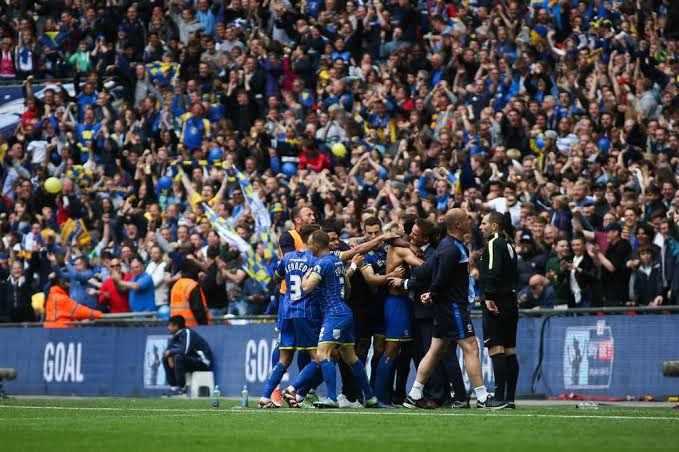
AFC Wimbledon players and fans celebrate at Wembley

The greatest story in football

Saved by the fans.
Again.

In 2002 an FA commission allowed Wimbledon FC to move to Milton Keynes. We refused to follow. Supporters formed AFC Wimbledon, held open trials on Wimbledon Common and started again five divisions below the professional Football League. In 2020 we came home to Plough Lane.

The club is still owned by its fans, through the Dons Trust. One member, one vote. We saved it once. We can do it again.

Read our story

In the news

The story so far

All press coverage

Everyone's second club

Applaud from wherever you are

One tap. We show where in the world the support is coming from, by city, never by person. Pick a region to zoom in.

Leave a message of support

Whoever you support. Every message is read before it appears. Only your first name, city and club are shown.
The plan

£50m over five years, worked backwards

These are the goals we want to help AFC Wimbledon and the Dons Trust reach. The decisions are theirs. We start with the number and show where every pound could go. It's sized against the shortfall in the club's latest accounts: a £3.4m loss last year, £7.9m owed to bondholders, and the directors saying more funding is needed. Each breakdown on this page is an example allocation: one way the money could be used. £50m is raised through a range of fan-led initiatives, from investment and savings to grants and sponsorship. About £17m more comes from naming rights, sponsors, partners and grants tied to specific projects. These are fans' working figures, not club figures. Every one needs checking with the club and the Dons Trust.

The plan

Three stages

With funding secured we work in stages. We steady the club from day one and lay the foundations to compete at the same time. Growth follows the return.

Year 1Year 2Year 3Year 4Year 5 Stabilise Compete Grow

Year 1 of Compete is groundwork: planning the stand, finding a training ground site, building up the academy.

Stage 1 · Starts now · every year

Stabilise

£3ma year, falling
£0up front on the bond
  • Cover the operating gap so the club breaks even each year
  • Manage the Plough Lane Bond: pay the interest, roll it over, close costly bonds where it makes sense
  • A Dons Trust ready for the regulator
Stage 2 · Alongside · groundwork from year 1

Compete

£30mfrom fan-led initiatives
£16mfrom partners
  • Playing budget contribution, £2.5m a year from year 2
  • A bigger Plough Lane
  • A training ground of our own
  • The academy
Stage 3 · Builds on both · years 4 and 5

Grow

£2mfrom fan-led initiatives
£1msponsorship
  • AFC Wimbledon Women backed for a push to WSL2
  • Funded by the return from stages 1 and 2

The stadium is in the plan: about £13m for a new South Stand, £8m from fan-led initiatives and the rest from a legacy gift, naming rights and partner finance. Finishing all three temporary stands would cost about £40.5m at today's prices. The stadium project

What the initiatives could fund each year

Example allocation. Small to start, it builds as projects come on stream, then eases as they pay back.

£4.2mYear 1
£9mYear 2
£12.8mYear 3
£12.1mYear 4
£7.9mYear 5

Bond reserve, £2m in each of years 1 and 2, used only if refinancing falls short.

* All figures are rough projections at today's prices. They're fans' working figures, not the club's.

See the figures in full Example allocation: five-year costs and year-by-year funding
A yearFive-year costFrom the £50mFrom partners
Stage 1 · Stabilise, from day one · every year
Close the operating gap£3m, falling to about £2.2m£13m£13m
Manage the Plough Lane Bondinterest onlyup to £4m£4m reserve
A stronger Dons Trust£0.2m£1m£1m
Stage 2 · Compete, alongside · groundwork from year 1
Playing budget contribution£2.5m from year 2£10m£10m
A bigger Plough Lane: the South Standone-off£13m£8m£5m
A training groundone-off£15m£4m£11m
The academy£2m from year 2£8m£8m
Stage 3 · Grow, later · years 4 and 5
AFC Wimbledon Women£1.5m from year 4£3m£2m£1m
Total£67m£50m£17m

What the initiatives could fund each year

Example allocation.

Year 1Year 2Year 3Year 4Year 5
Operating gap£3m£2.8m£2.6m£2.4m£2.2m
Bond reserve, only if needed£2m£2m
Dons Trust£0.2m£0.2m£0.2m£0.2m£0.2m
Playing budget contribution£2.5m£2.5m£2.5m£2.5m
Academy£2m£2m£2m£2m
Training ground£0.5m£1.5m£2m
Plough Lane stand£0.5m£3.5m£4m
AFC Wimbledon Women£1m£1m
Total raised£6.2m£11m£12.8m£12.1m£7.9m
Without the bond reserve£4.2m£9m£12.8m£12.1m£7.9m

The playing budget contribution starts in year 2 at £2.5m a year, the same £10m over five years. Year 1 of the stand and training ground is planning and design.

Stage 1 · Stabilise, from day one · every year
01

Close the operating gap

£3m in year one, falling to about £2.2m · £13m over five years

Pays for: the gap between what the club earns and what it costs to run, £2.4m to £3m a year now.

The benefit: the club breaks even each year, and the gap shrinks as new income arrives.

We'd know it worked when: the club breaks even every year of the plan.

02

Manage the Plough Lane Bond

£0 up front · a reserve of up to £4m

Pays for: nothing up front. The club keeps paying the interest, interest-free bonds roll over and costlier ones get closed where that makes sense. The reserve covers any refinancing that falls short. £7.93m was owed at the last accounts, £3.46m of it due within a year.

The benefit: no cliff-edge repayments, and room for the cash reserves the regulator will require from 2027.

We'd know it worked when: every bond that falls due is rolled over, refinanced or repaid without a scramble.

03

A stronger Dons Trust

£0.2m a year · £1m over five years

Pays for: paid roles and proper support for the Trust.

The benefit: fan ownership meets the standard the regulator will set.

We'd know it worked when: the club passes its licence first time.

Stage 2 · Compete, alongside · groundwork from year 1
04

Playing budget contribution

£2.5m a year from year 2 · £10m over five years

Pays for: a squad that can hold its own in League One and push for promotion.

Watch: League One wages are capped at 50% of turnover, and owner money counts at 50%. Growing income matters as much as the money in.

We'd know it worked when: the club finishes in the top half.

05

A bigger Plough Lane

About £13m for the South Stand · £8m from fan-led initiatives, £5m from partners

Pays for: a new South Stand, the first of three. Plough Lane holds 9,215 today and has planning permission for 20,000. About £12m to build, plus about £1m to take down the old stand.

The benefit: for 3,000 more seats, about £1.1m a year more matchday income before hospitality, and about £0.55m a year more room under the wage cap.

Funded by: a legacy gift, council and lottery funding, community shares and fan-led initiatives. See the Taking A Stand proposal.

Costs for all three stands: the stadium project

06

A training ground of our own

About £15m · £4m from fan-led initiatives, £11m from grants and partners

Pays for: somewhere permanent for the men's team, AFC Wimbledon Women and the academy to train, built to Category 2 academy standard.

Training groundCost
Core (Category 2)£11m to £12m
Add community facilities+£2m
Add a clubhouse+£1m
In the planabout £15m

Assumes Merton Council provides the land. Today's prices, fees of 15% included, VAT excluded.

The benefit: lower rental costs and a better case to players and parents.

We'd know it worked when: it's built and in use by year three.

07

The academy

£2m a year from year 2 · £8m from fan-led initiatives

Pays for: moving the academy from Category 3 to Category 2. That needs the training ground, and costs more to run.

The benefit: our own players, coming through our own system, and the transfer income that follows.

We'd know it worked when: academy graduates are in the first team.

Stage 3 · Grow, later · years 4 and 5
08

AFC Wimbledon Women

£1.5m a year from year 4 · £2m from fan-led initiatives, £1m from sponsorship

Pays for: the women's team backed for a push to WSL2, which costs about £3m a year.

Why later: the men's team, the stadium and the academy bring a return first. That return funds the women's team's next step.

We'd know it worked when: the team is competing for promotion.

What if we go up? Promotion to the Championship brings £11m to £12m more a year, but the costs move faster. Read the scenario
A bigger Plough Lane. All three stands, what they might cost, and a calculator for what they could earn. The stadium project
← The plan

Scenario

What if we go up?

Promotion to the Championship brings more money. Almost all of it goes on players. The club needs working capital to grow income, not just money to buy equity.

The numbers

Central moneyAbout £2m a year in League One. About £11m a year in the Championship.
Total uplift£11m to £12m a year, from TV, sponsorship and matchday.
Wage rulesLeague One: wages up to 50% of turnover, owner money counts at 50%. Championship from 2026/27: squad costs up to 85% of income, plus owner money of up to £33m over three years (£15m a season).
What our income buysAbout £22m to £23m of income allows about £19m to £20m on the squad. That's the bottom of the Championship. The lowest wage bill in the division is about £22m a year.
A recent exampleDerby, promoted in 2024/25: revenue up from £19.4m to £31.9m. They still lost £11.3m.

How contracts change

Promotion clauses

Many League One contracts carry an automatic pay rise if the club goes up. The wage bill jumps before anyone new signs.

Bonuses and extensions

A one-off squad bonus for promotion, and extra years that trigger on deals, often at the higher wage.

New signings

Longer contracts, bigger signing-on and agents' fees, and transfer fees paid in instalments over years.

Relegation clauses

The protection. A pay cut, typically 25% to 50%, if the club goes back down.

What needs to change

NowLeague One contracts cap the promotion uplift and include relegation clauses.
Before the seasonA promotion budget agreed in advance: how much of the uplift goes on the squad, and how much is held back.
CashWorking capital for the gap between costs rising and money arriving.
Fan moneyUnder Championship rules, owner money counts in full up to £15m a season, so a fan raise goes much further.
Plough Lane9,215 capacity, the smallest in the division by some way, with planning permission for 20,000. That's the case for the stand.

To confirm with the club: what current contracts say about promotion and relegation, the wage bill against the 50% limit, and how the Championship rules treat promoted clubs. Sources: EFL statements on the 2026/27 financial rules, as reported in May 2026. Full rulebooks to be checked.

← The plan

The stadium project

A bigger Plough Lane

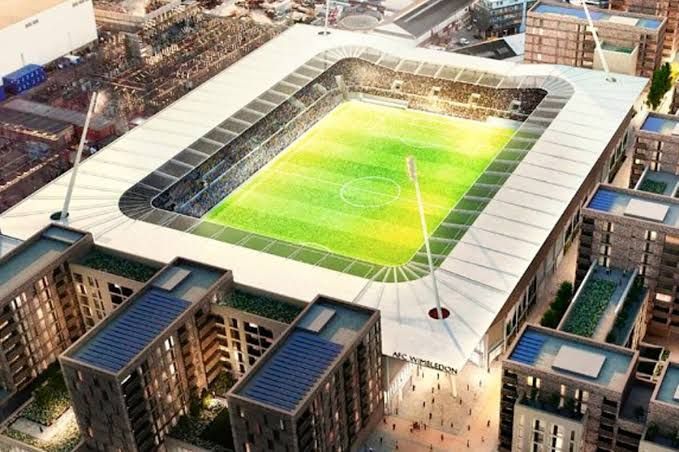
Plough Lane holds 9,215. It has planning permission for 20,000. Three of its four stands are semi-permanent. Replacing them one at a time is how the club grows its income for decades.

An artist's impression of a new stand at Plough LaneARTIST'S IMPRESSION

Where we are

Capacity today9,215
Planning permission20,000
Room to growAbout 10,800 more seats
The standsThe main stand is permanent. The South, North and East stands are semi-permanent, and are the ones to replace.

What it might cost

StandBuildDemolitionTotal
South£12m£1m£13m
North£9.5m£1m£10.5m
East£15m£2m£17m
All three£36.5m£4mabout £40.5m
These are rough costs, and qualified. They are working figures based on industry costings, not club figures, and need checking with the club. They assume:
  • today's construction prices, with no allowance for inflation by the time each stand is built
  • standard stands, with no hospitality areas and no build costs for concessions
  • the stands meet sustainability criteria
  • professional fees at a typical 15%, included
  • VAT excluded, as it should be recoverable

Not included: the cost to the club of closing part of the ground while each stand is built.

In stages

One stand at a time. The ground stays open, the club keeps earning, and each new stand helps pay for the next.

Stage 1 · South Stand

£13m

When: first. Planning in years 1 and 2, built in years 3 and 4. Part of the five-year plan.

Funded by: a legacy gift, council and lottery funding, fans through community shares or a bond, and £8m from fan-led initiatives.

Stage 2 · North Stand

£10.5m

When: after the South Stand opens.

Why second: the cheapest of the three, so the easiest to fund next.

Funded by: a second legacy gift, partners, and the extra income from the South Stand.

Stage 3 · East Stand

£17m

When: last, beyond 2032.

Why last: the biggest bill and the biggest demolition. It's also the best place for hospitality, which isn't costed here, so it's worth more once the first two stands are earning.

Funded by: a third legacy gift, naming rights and partner finance.

Build it yourself

Add a stand, move it earlier or later, change the price of a ticket, and see what it does to the club's income. Each stand takes about a year to build once it's approved, so its income starts the season after.

Projections, not promises. Every figure in this section is at today's prices with no allowance for inflation, and none of it is a guarantee of what the work would cost. Real costs and income would need confirming with the club.
League

Tap a stand to add it or take it away.

Working assumptions

Our starting figures, not the club's. Change them to test your own.

Who's buying

Extra matchday incomeBuild costRunning total
How we worked this out

Season 1 is 2027/28. Income counts 23 home league games, before hospitality, cup runs and season-ticket discounts. Seat numbers per stand are rough splits of the 10,800 extra seats the planning permission allows. Build costs are today's prices from the table above, with no allowance for inflation. The running total is new matchday income less build costs, before gifts, grants and partner funding, which would cover most of the build. Not included: rental income from Chelsea Women and London Broncos, who also use Plough Lane. Ticket income is shown after 20% VAT. Season tickets earn whether or not the holder turns up; matchday seats earn only when sold. League One season-ticket prices are the club's 2026/27 early-bird prices: South Stand prices for the South Stand, East Stand standard prices for the East and North. League Two and Championship season tickets are scaled from those, by 87.5% and 125%, in line with matchday prices. Room under the cap on squad spending is 50% of new income in League One, 85% in the Championship, and a placeholder 55% in League Two.

What it could earn

For 3,000 more seatsAbout £1.1m a year more matchday income, before hospitality, and about £0.55m a year more room under League One's wage cap.
At 20,000About 10,800 more seats. Sold at the same rate, about £4m a year more matchday income before hospitality, and about £2m a year more room under the wage cap.
If we go upAt 9,215, Plough Lane would be the smallest ground in the Championship by some way. Read the scenario
For decadesSeats earn every season. A bigger ground raises the club's value and its income ceiling.

Where the money can go

New matchday income isn't ring-fenced, so the club can spend it on anything. League rules cap what goes on the squad: 50% of turnover in League One and 85% of income in the Championship. Stands, a training ground, the academy, AFC Wimbledon Women and community work sit outside the cap, and that's where extra income does the most lasting good. The wage rules in full

Taking A Stand

Three stands means three legacy gifts. A family, a group of families or a benefactor funds the core of a stand, in return for a lasting name and story rather than a time-limited deal. The stand belongs to the club. No strings, no stake. Nobody has to fund the full £40.5m.

Read the proposal

To confirm with the club: seat numbers for each stand, what the planning permission covers today, the order of works, where hospitality goes, and what closing part of the ground during each build would cost.

Open proposals

Ideas from fans

  • Anyone can share an idea, and anyone can comment on one until 31 December.
  • Every proposal is set out the same way: what it is, what it fixes, what it costs, how hard it is and who has to say yes.
  • Where a proposal asks fans for money, it says so up front, and it's always optional.
  • A popular proposal isn't a done deal. The club and the Dons Trust decide.
  • Some ideas may have been tried before, or face barriers we can't see from outside. Where we can, we'll say so.

Share your idea

The first round of proposals closes at midday on Friday 11 December. Voting runs from 15 to 31 December, and results follow in mid-January. New proposals are still welcome while voting is open, for the next round. Everyone gets 10 tokens, unlocked with an email address. Put them all on one proposal or spread them around. Complexity runs from 1 simple to 5 very complex.
Show

Fundraising proposals raise or save money for the club. Advocacy proposals raise awareness and push to change how football works. Community proposals build the club's links with Merton and its neighbours.

Compare side by side

How it works

  1. Send it inTell us the idea, who it helps and how it might work.
  2. We review itIs it legal, possible and not already being done?
  3. Approved ideas are publishedOpen for every fan to read and comment on.
  4. Fans back the bestTen tokens each, 15 to 31 December.
  5. Work it up with skillsVolunteers cost it and test it.
  6. Hand it to the TrustThe club and the Dons Trust board decide.

Nothing is published until it has been reviewed and approved. We read every idea and ask a few questions: is it legal and possible, is the club already doing it, and could volunteers do the legwork rather than club staff? You don't need the answers to send one in.

* Large-scale funding ideas are welcome too. They may sit alongside the Board's search for investment or offer an alternative to it, so we flag them clearly for the Board to weigh.

Submitted by fans

Every submission is reviewed and approved before it is published here. The strongest go forward to working groups.

Got an idea?

Big or small, for the club or for how football works. Tell us the idea, who it helps and how it might work. Schools and classes are welcome.

Share your idea
← Proposals

First round closes Friday 11 December

Share your idea

Big or small, rough or worked out. Tell us the idea, who it helps and how it might work. Schools, classes and groups are welcome.

What happens to your idea

  1. Send it inTell us the idea, who it helps and how it might work.
  2. We review itIs it legal, possible and not already being done?
  3. Approved ideas are publishedOpen for every fan to read and comment on.
  4. Fans back the bestTen tokens each, 15 to 31 December.
  5. Work it up with skillsVolunteers cost it and test it.
  6. Hand it to the TrustThe club and the Dons Trust board decide.

Nothing is published until we've reviewed and approved it. We check a few things: is it legal, is it possible, is the club already doing it, and could volunteers do the legwork? You don't need to know the answers. That's our job.

Help it go further Optional

Educated guesses are welcome. Ideas with more thought behind them reach a working group faster.

← Proposals

Side by side

Sample figures are marked. They'll be replaced as working groups cost each proposal.

Lend your skills

Our goal is to harness the expertise, passion and time of our fans.

If you have expertise in any of these areas and can offer around five hours a week, unpaid, we'd like to hear from you. AFC Wimbledon supporters and friends of the club are equally welcome.

Our story

Saved by the fans.
Saved by the fans again.

AFC Wimbledon exists because its supporters refused to let their club be taken away. This is the short version. The club tells it in full on its own website.

1889Wimbledon Old Centrals play their first games on Wimbledon Common. It's still the club's founding date.
1912The club moves to Plough Lane.
1963FA Amateur Cup winners at Wembley.
1977Elected to the Football League after three Southern League titles in a row. Nine seasons later, Wimbledon are in the top division.
1988The Crazy Gang beat Liverpool 1-0 at Wembley to win the FA Cup.
1991The last league game at Plough Lane, against Crystal Palace. The club moves to share Selhurst Park, and the old ground is later sold for redevelopment.
1992A founding member of the Premier League, and there for eight seasons.
2002An FA commission allows Wimbledon FC to move about 70 miles to Milton Keynes, and warns that a new club would not be "in the wider interests of football". We refuse to follow. On 30 May, Ivor Heller, Kris Stewart, Marc Jones and Trevor Williams found AFC Wimbledon, owned by its supporters through the Dons Trust and built by hundreds of volunteers. Open trials on Wimbledon Common, then a new start in the Combined Counties League, five divisions below the professional game. Home for the next 18 years is Kingsmeadow, in Kingston.
2003 to 200478 league games without defeat.
2011Back in the Football League after beating favourites Luton Town on penalties in the play-off final. Five promotions in nine seasons.
2016A 2-0 win over Plymouth Argyle at Wembley takes us up to League One.
2020Led by chief executive Erik Samuelson, staff and volunteers win planning permission for a new stadium on the old greyhound track, about 200 yards from the original ground. Fans close the funding gap on the £32m build: £2.5m from a crowdfund and £5.5m from the Plough Lane Bond. On 3 November we play Doncaster Rovers at the new Plough Lane, 2-2, with Joe Pigott scoring first. Because of Covid, the stands are empty apart from cardboard cut-outs of the fans who paid for them.
2021On 14 August, fans finally see a league game in the stadium they helped build. Bolton Wanderers, 3-3, in front of a near-full ground.
2025Relegated in 2022, promoted again at Wembley, beating Walsall 1-0.
2026A proposed investment is withdrawn before members vote. The club is still owned by its fans, through the Dons Trust. One member, one vote.
2032A club that pays its own way.

Why now

Football is broken

English football earns about £9bn a year. Yet it still records losses of £1.7bn each year. That's from the Independent Football Regulator's first State of the Game report, published in October.

94%of clubs in the top five divisions made a loss in 2025/26
72%outside money adds 72p for every £1 of a League One club's own income
+71%rise in League One wages since 2021/22
29%of clubs couldn't last 30 days if their owner(s) stopped paying
66%of EFL and National League clubs are technically insolvent
24%of clubs need owner top-ups at least once a month
"A significant number of clubs have told us they would not survive if their owners walked away."David Kogan, chair, Independent Football Regulator

The Dons Trust

The club's owners

AFC Wimbledon is owned by its fans through the Dons Trust: one member, one vote. AFCW2032 isn't part of the club or the Trust, isn't a rival to either and doesn't speak for them. We support the Trust's board and the club, and the decisions are theirs. We agree a set of principles, meet in the open and publish the minutes.

Read the charter Open meeting minutes

Board elections 2026
Voting opensTuesday 24 November
Voting closesFriday 11 December, 12:00 GMT
AGMMonday 14 December
ResultsTuesday 15 December

We don't back any candidate. Full details on the Dons Trust website.

In the news · ongoing

The story so far

Get involved

Every Don can help

No more passing the hat round. Dons have dug deep again and again. This is about everything else we can bring: skills, time, contacts and ideas, from Plough Lane to wherever you are. Your part can take ten seconds or ten hours.

Spread the word

Share AFCW2032

The more Dons who know, the stronger this gets. Send it to your matchday group chat, your mates abroad, and anyone who cares about fan-owned football.

Our charter

How we work

AFCW2032 is a fan-led initiative to build a five-year plan for AFC Wimbledon, in the open, with key initiatives launching in 2027. Our goal: for the club to survive and thrive the next five years and beyond. We're a flat structure, with no single leader, and we work in the open. These are the principles we work by, so everyone knows where we stand. Anyone who agrees with them can sign, and you can offer to help organise too.

Sign the charter

The principles

What we sign up to

  1. We're here to support the club. AFCW2032 is not a splinter group, and it isn't a campaign against anyone. It exists to support AFC Wimbledon and the work of the Dons Trust board, and to put ideas to them that are ready to act on. The decisions are theirs.
  2. Fan ownership comes first. Everyone involved is committed to AFC Wimbledon staying owned by its fans, with the Dons Trust in control.
  3. Football done right: we live within our means. We're here for sustainable football. The club should pay its own way, not run at a loss and hope someone covers it. That's how clubs end up depending on a single owner, carrying debt they can't repay, or in administration. Living within our means doesn't mean standing still. We back ambition where it builds something that lasts: a stand, a training ground, an academy, players who grow in value. We won't spend money the club doesn't have to chase promotion. Where fans' money covers a gap, it's a bridge to breaking even, not a habit.
  4. Respect what fans have already given. Dons have paid higher ticket prices, backed crowdfunders and bought the Plough Lane Bond. We look first to skills, time, ideas and money from beyond our own pockets. Any ask of fans is clear, up front and optional.
  5. We welcome investment that keeps us fan-owned. We're not against outside money. Partners, sponsors, benefactors and investors are welcome when their support helps the club stay fan-owned.
  6. Open by default. Meeting minutes are published. Figures come with their sources and assumptions. Decisions come with their reasons. When we can't share something, such as someone's personal details, we say so.
  7. Open to all, led by Dons fans. Anyone, anywhere, who cares about AFC Wimbledon is welcome to back the cause. Active involvement is led by Dons fans, and we stay open to anyone with something to offer. Give what you can, whether that's an occasional comment or months of work.
  8. Every voice is heard. Whether you've supported the club for decades or a season, or you're an engaged member of the Dons community, your contribution matters and we'll listen. Long involvement brings experience worth weighing, and newer fans bring fresh eyes. Nobody's view is dismissed.
  9. Proposals, not promises. Everything on the site is a proposal for fans to review together. None is guaranteed to go ahead. The decisions belong to the club and the Dons Trust.
  10. Ideas win on their merits. Every proposal is set out on the same terms and tested on evidence, then fans have their say. It doesn't matter who proposed it.
  11. Build, don't knock. Feedback on a proposal starts from what would make it work: "Yes, and...", "This could be stronger if..." or "A barrier to solve is...". Problems are welcome when they come with a way through.
  12. No fiefdoms. Nobody owns a proposal, a working group or a role. Work is shared and written down so others can pick it up. Anyone can question it or improve it.
  13. No politics. AFCW2032 doesn't back candidates, factions or personal campaigns. Anyone standing for the Dons Trust board does so as an individual, not on our behalf.
  14. Disagree about ideas, never about people. We assume good faith, inside the group and out. No personal attacks on anyone, whether that's each other, the board or the club.
  15. No surprises. We tell the Dons Trust board and the club before we publish anything that affects them.
  16. Diligence. We do the homework, check the numbers, say what we don't know, and correct our mistakes in public.
  17. Nothing for ourselves. Everyone gives their time freely. Nobody involved takes a fee or a profit from AFCW2032, and nothing on the site asks for money.
  18. Together. Fans built this club and brought it home. Together, as ever, we can help it flourish.

Taking part

How the group works

Anyone can take part

Submit a proposal, comment on one, register your skills or send a message of support. You don't need to sign the charter to do any of that.

Sign and support

Sign the charter to show you agree with it. Once we've checked it, your name goes on the list below. Your email is never shown.

Help organise

Choose "Sign the charter & help organise" when you sign. New organising members are admitted by a simple majority vote of the group, usually within a few days.

We're a flat structure. There's no chair and no single leader. The group decides by simple majority, including who joins it. Meetings are recorded only with the agreement of everyone there, and what we decide is published in the open meeting minutes. Each proposal gets its own lead once the proposals have been evaluated.

Sign the charter

Who's signed

In alphabetical order by surname. A yellow outline means the person has offered to help organise. It doesn't mean they've joined the organising group yet.

The first names will appear here soon.


Add your name

I'm a (tick all that apply)
← Charter

Open meeting minutes

Meeting minutes

We meet in the open and publish what we decide. Meetings are recorded and transcribed with everyone's agreement. Decisions and actions are published in full. Personal remarks are left out.

Pre-launch organising meeting, 25 November 2026

Online, 8pm (UK), 69 minutes, with votes afterwards from members who couldn't attend

Took part: Daniel Brett, Matthew Couper, Niall Couper, Jules Ehrhardt, Barry Faust, George Jones, Adam Procter, Craig Roper, Anuk Teasdale. Names are listed alphabetically by surname. Recorded with the agreement of those present.

1. Why we publish this

We work in the open. These are the decisions taken before launch, so anyone can see how AFCW2032 is run and what it's for: supporting the club and the Dons Trust board.

2. How we decide

A decision passes on the votes of the people who take part. Members who can't attend a meeting read the decisions afterwards and vote on each one.

3. Working with the Dons Trust board

We will write a short agreement with the Dons Trust board, setting out how we work with the board and the club and where our boundaries are. The aim is to have it ready for the board's meeting on 9 December.

4. A soft launch

The site goes live quietly at 12 noon GMT on 26 November. We gather first reactions and line things up with the board before any bigger public push.

5. Proposals are reviewed before they're published

Every idea comes in through the form on the site. A small review group checks each one before it goes up, and meets once a month to go through new ideas together.

6. Working groups

Each proposal gets its own group, so people can join the ones they want to work on.

7. A third kind of proposal

Community proposals join fundraising and advocacy.

8. Tone

After engaging cultural stakeholders and members of the club, we revisited all the site copy and positioning to make sure the tone was forward-facing and positive.

Actions

George JonesLead the proposal review group. Draft the agreement with the Dons Trust board, with Daniel Brett.
Niall Couper and George JonesRespond to the State of the Game consultation on how football's money is shared, by 8 December.
Adam ProcterResearch how citizen-led decision-making works elsewhere, to shape how we handle proposals.
Jules EhrhardtAdd the community category to the site. Create a voting system so members can take part without being on the call. Write up these minutes and share them with the group.
Everyone who couldn't attendRead the decisions and vote.

Privacy notice · updated 24 November 2026

Your data

Who we are. AFCW2032 is an independent, fan-led movement, not an official AFC Wimbledon or Dons Trust publication. The AFCW2032 organising group is responsible for the information you give us. Contact us at hello@afcw2032.org about anything on this page, including to see, correct or delete your data.

What we collect, and why

ShoutsFirst name, city, club, email and your message. Only first name, city and club are shown, and only after the message has been read and approved. Your email is never shown.
ProposalsYour name, email, where you're based, whether it's an individual, group or school class proposal, the name of the group or class if you give one, and the proposal itself. The proposal is published only after it's been read. Your name is shown only if you tick the box to be named.
SkillsYour name, email, location, connection to the club, skills, experience, hours, interests, LinkedIn if you give it, and any conflicts of interest. Used to match people to working groups. Never published.
NewsletterYour email address, used only to send AFCW2032 updates. You confirm it by email before we send anything, and every newsletter has an unsubscribe link.
CommentsYour first name, email and comment. Your first name and comment are shown on the proposal once they've been read. Your email is never shown.
CharterYour name, email, connection to the club and whether you'd like to help organise. Your name is shown on the charter page once it's been checked, with an outline if you've offered to help organise. Your email is never shown. If you offer to help organise, your name and contact details are shared with the organising group so someone can get in touch.
CountryWhen you send any form, we also record the country your connection comes from, as worked out by Cloudflare. We use it only for totals, such as how many countries fans are signing from.
ApplauseCity and country, plus a one-way code made from your connection, so the same connection can't applaud more than once a day. We never store your IP address.
Press previewIf you use the press password, we log when you logged in, the pages you viewed, your approximate city and country and your device type, so we know who is viewing the site under embargo.
VisitsThe site itself counts page views by page, hour and country. These are totals only, and nothing in them identifies you. Counted with Cloudflare Web Analytics, which uses no cookies and doesn't track individuals. Our fonts are served from this site, not from Google.
CookiesIf you accept, Google Analytics (through Google Tag Manager) sets cookies to measure which pages are visited and how people find the site. It doesn't identify you, and we don't use it for advertising. If you say no, no analytics cookies are set. The site also uses a cookie to remember the password while it's in preview, and one to recognise press visitors. Change your cookie choice.

Our lawful basis. For the forms, it's your consent, which you give when you tick the box on each form. You can withdraw it at any time. For the country record, the applause code and the press log, it's our legitimate interest in keeping the site fair and secure and understanding its reach. None of these identify you on their own.

Who sees it. Only the organising group and, for skills and proposals, the working group leads who need it. Nothing is sold. Nothing is passed to AFC Wimbledon, the Dons Trust or anyone else without your agreement.

Who processes it for us. Cloudflare hosts the site and stores the data, counts visits and forwards emails sent to us. Resend sends our confirmation emails. Google provides Analytics and Tag Manager, only if you accept cookies, and receives emails sent to hello@afcw2032.org. Some of these companies may process data outside the UK, including in the United States, under safeguards recognised by UK data protection law.

Young people. This site isn't aimed at children under 13. Young people who want to send an idea should do it with a parent or teacher, and school classes should send ideas through their teacher.

How long we keep it. We review what we hold every year. Newsletter emails are deleted when you unsubscribe. The press log is deleted within three months of launch. Everything else is deleted within 12 months of AFCW2032 ending, or sooner if you ask.

Your rights. Under UK GDPR you can ask to see, correct, delete or take a copy of your data, ask us to limit or stop using it, and withdraw your consent at any time. Email hello@afcw2032.org. You can also complain to the Information Commissioner's Office at ico.org.uk.

Stay in the loop

Get the news

Updates on the plan, proposals and the vote. No spam, unsubscribe any time.

This is a fan-led movement to openly and collaboratively explore paths forward for the club we love.

Not an official AFC Wimbledon or Dons Trust publication. Nothing here asks for money.
Sources: Independent Football Regulator, State of the Game report (October 2026), as reported by Inside World Football and the Football Supporters' Association. AFC Wimbledon PLC accounts, year to 30 June 2026. EFL financial rules, 2026/27.